The Brief
Lallemand has been in fermentation since 1903. Founded in Montreal and still privately held, the company now runs 11 business units and 27 yeast facilities across five continents, with 300 scientists in research and development. Lallemand Brewing has been developing brewing yeast since 1972 and owns the Siebel Institute of Technology and AB Vickers outright.
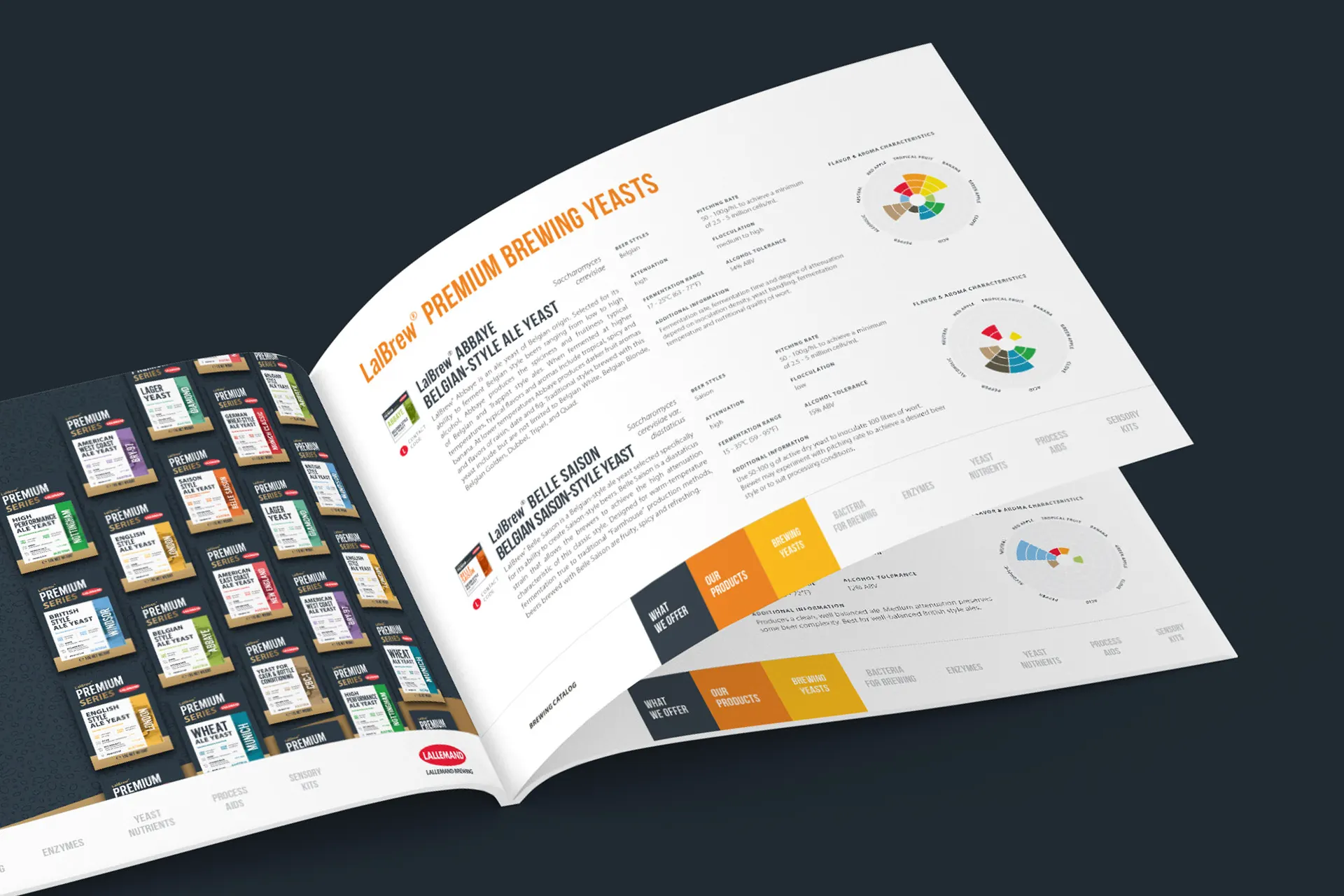
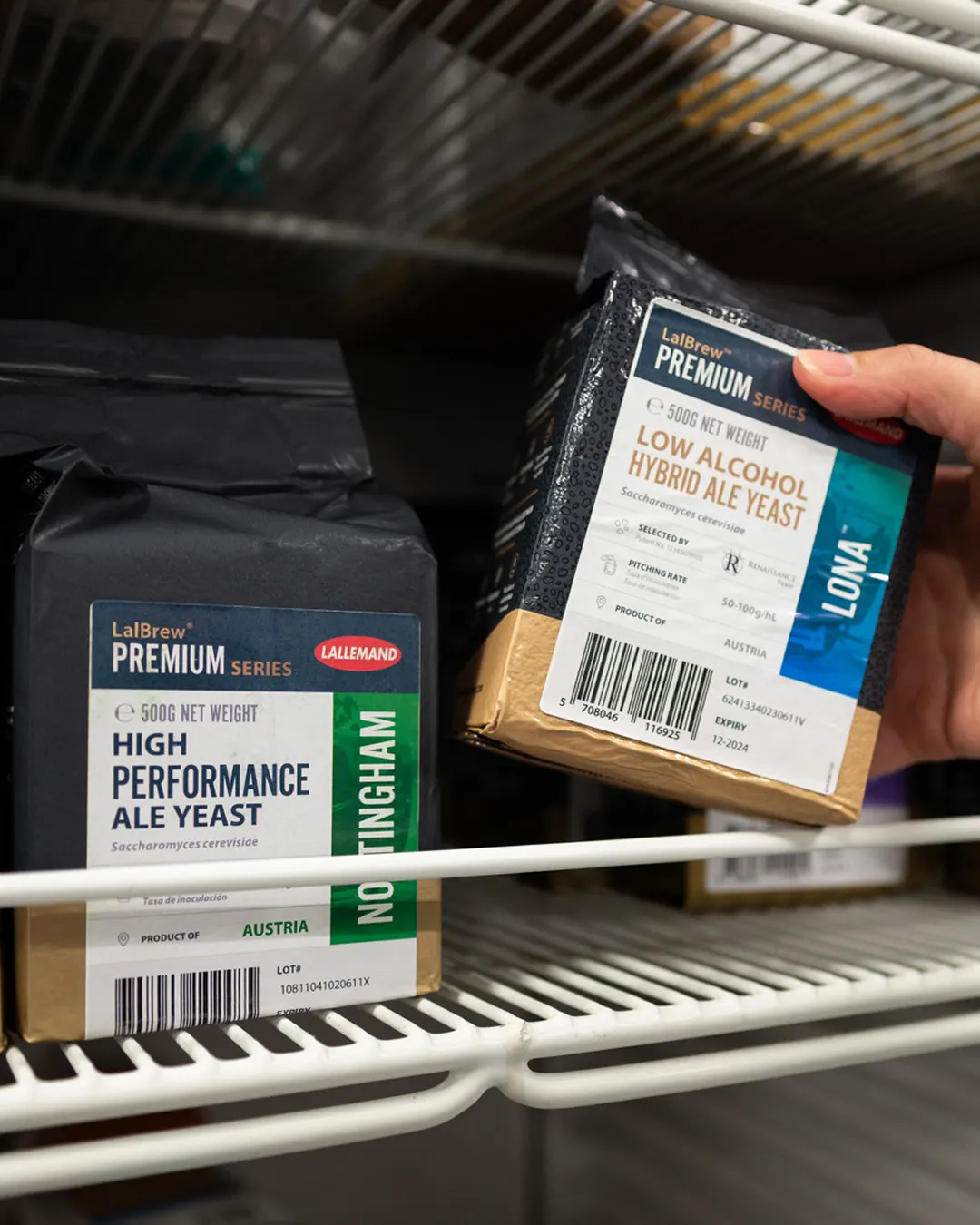
This is a science company that sells to brewers. The packaging carries strain names, technical specifications, regulatory information, and dosage guidance, and it has to be right in every market it ships to. New products launch on their own timelines. Sub-brands operate under the Lallemand umbrella with their own audiences. And every asset has to work in four languages across North America, Europe, and Latin America.
That is not a design problem you solve once. It is a system that has to be built, maintained, and extended for years.
The Work
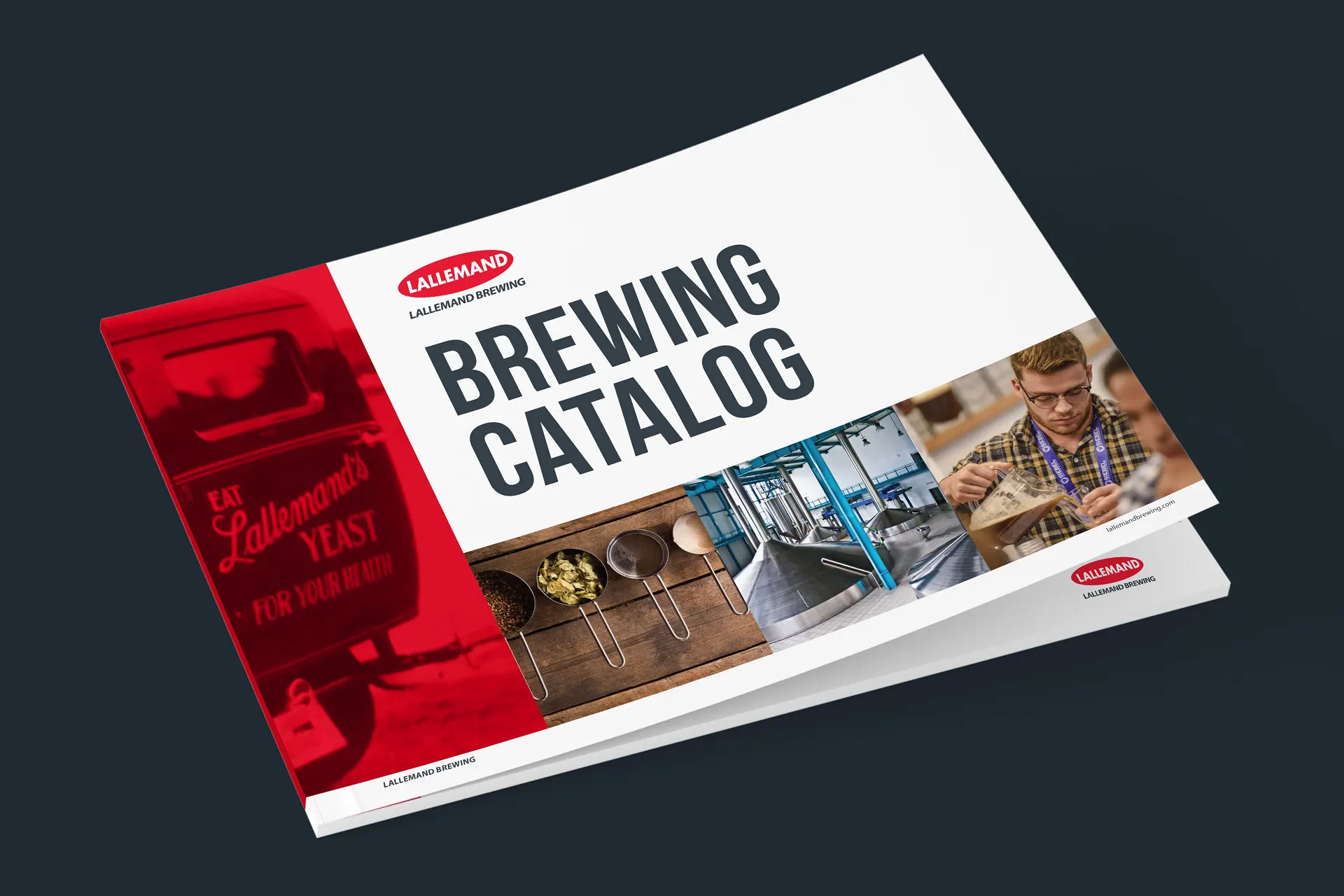
MRC has been Lallemand Brewing’s creative partner for eight years and more than 200 projects.
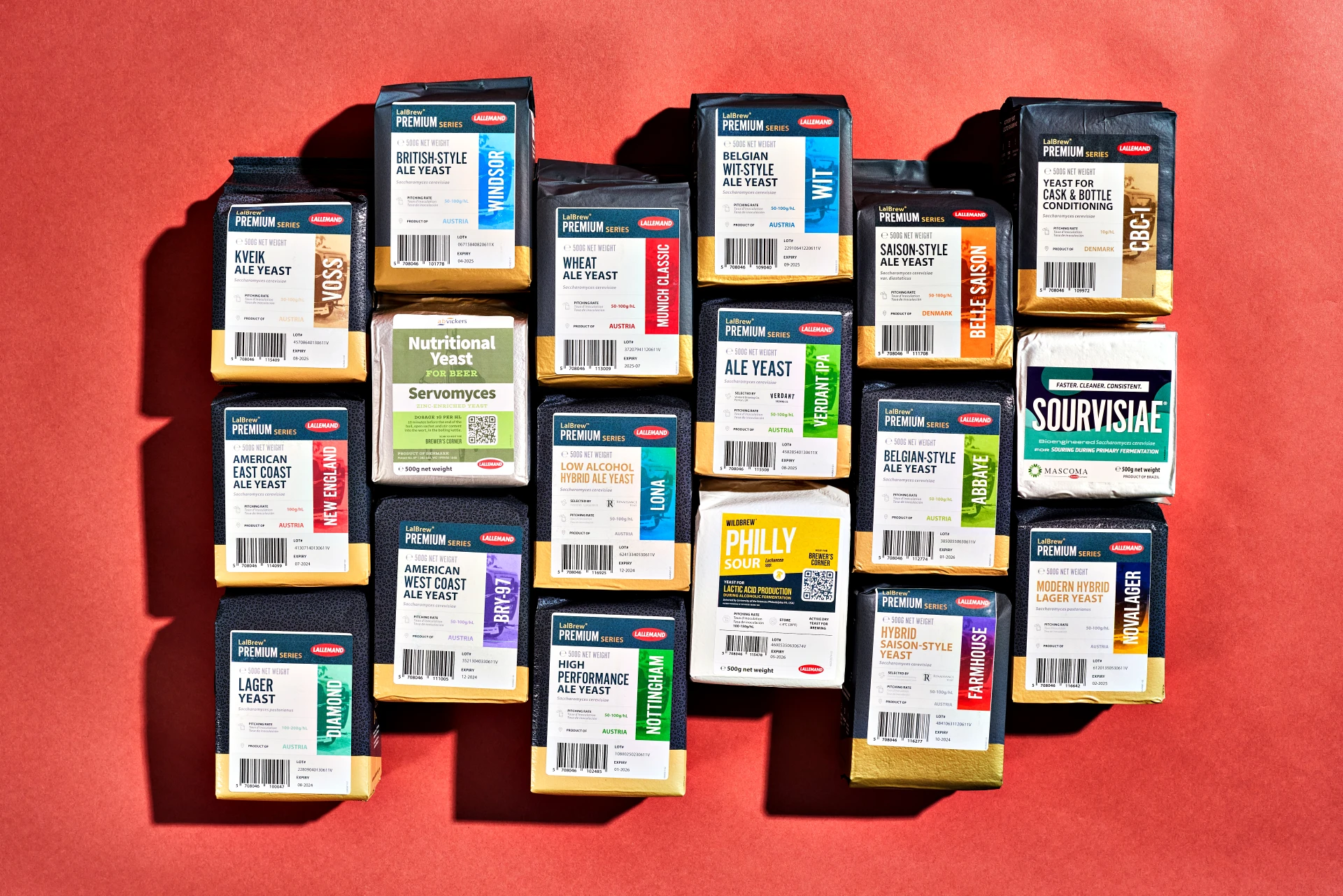
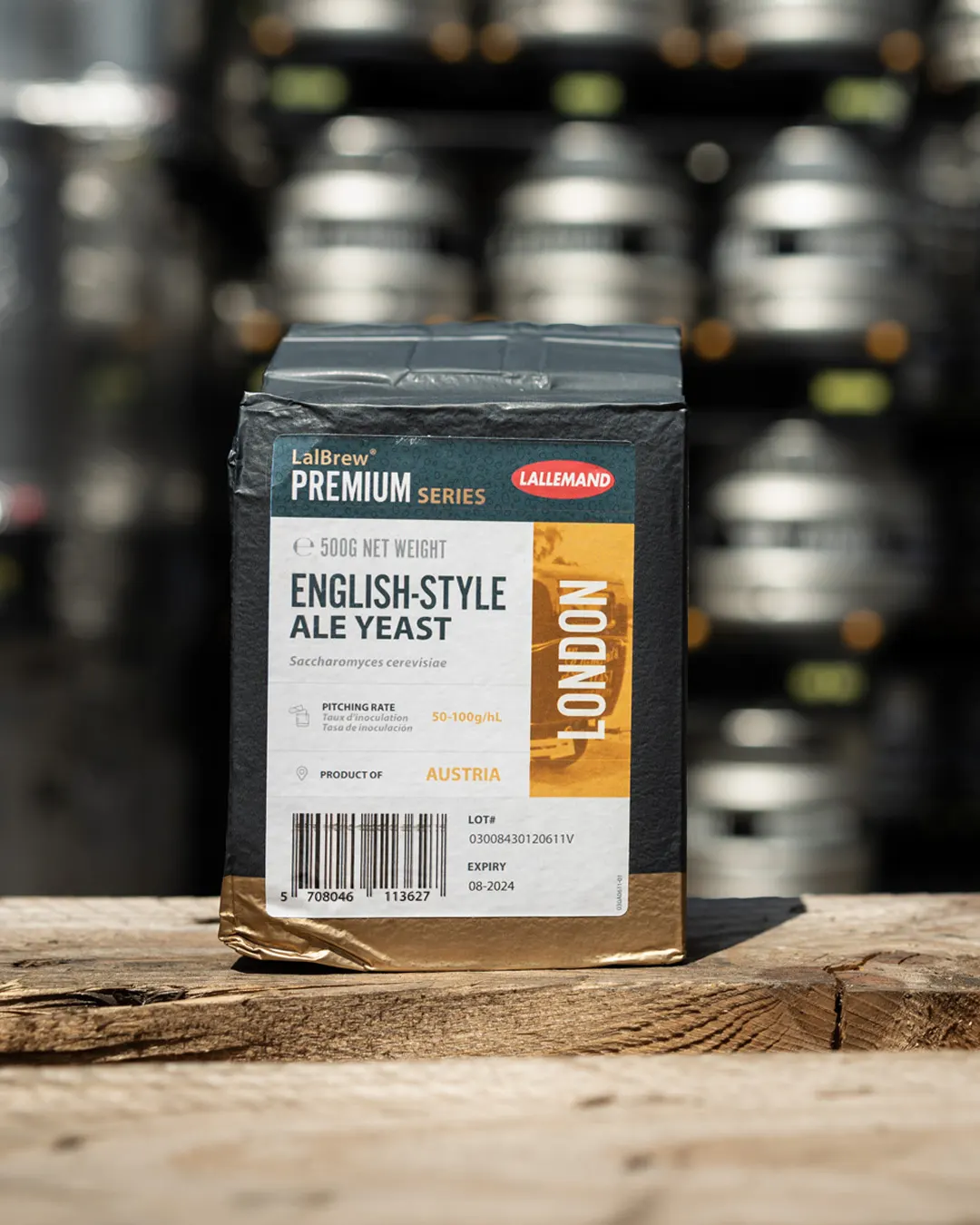
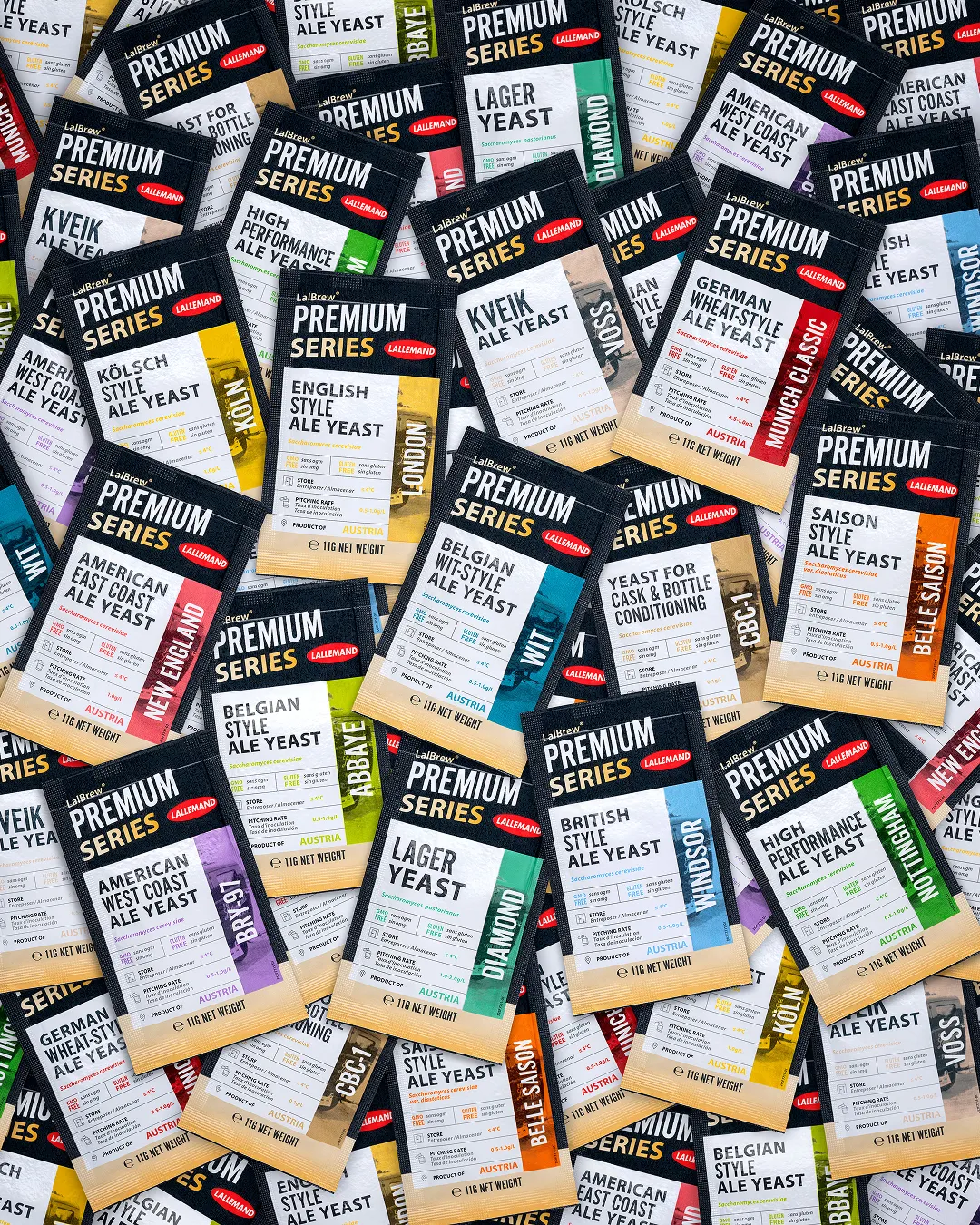
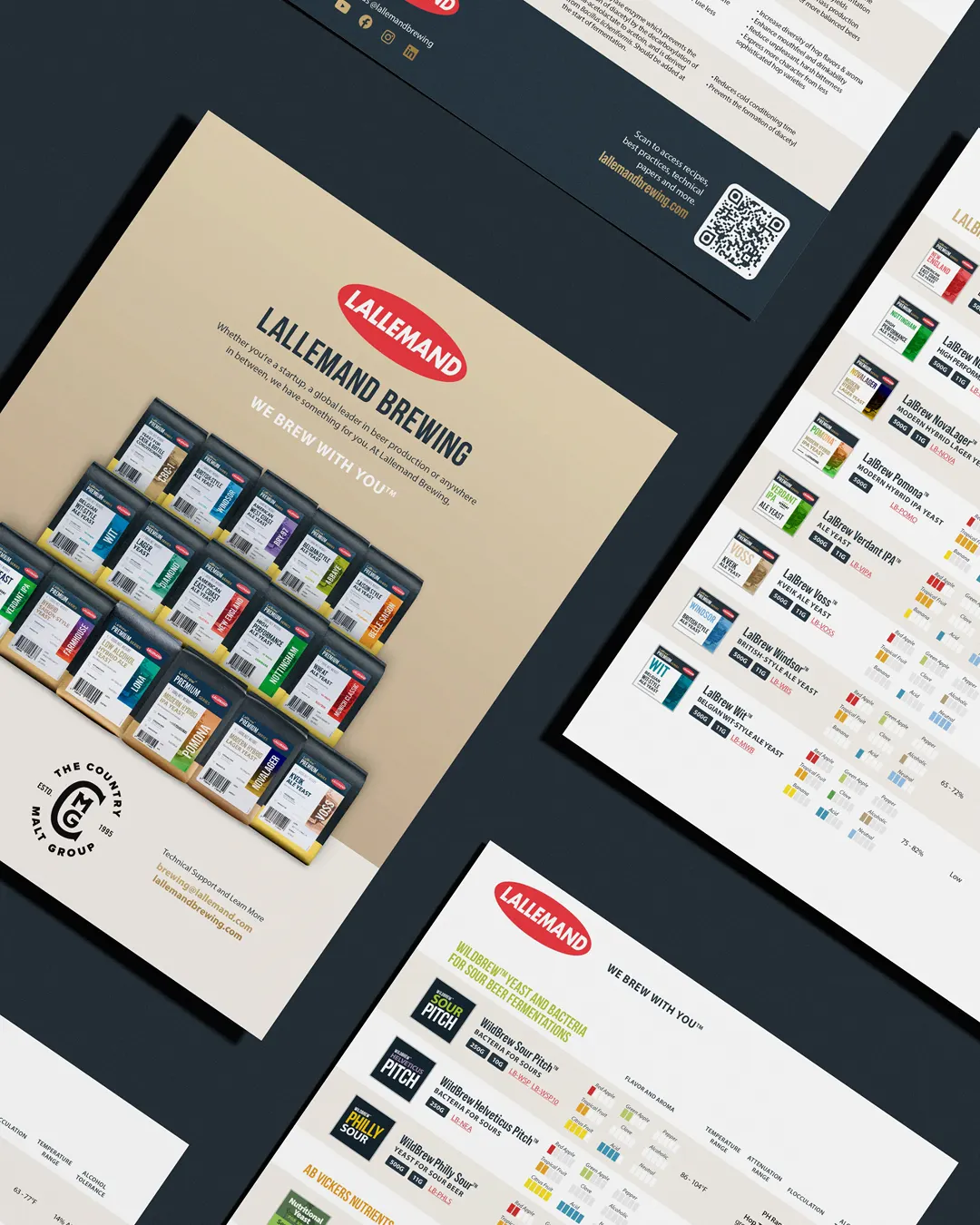
The foundation is packaging. Label and packaging systems across the LalBrew line and more than 20 product lines and sub-brands, built as translation-ready templates so a new market or a new language does not mean starting over. Every system accounts for the technical information a brewer needs on the package and the regulatory requirements of wherever it ships.
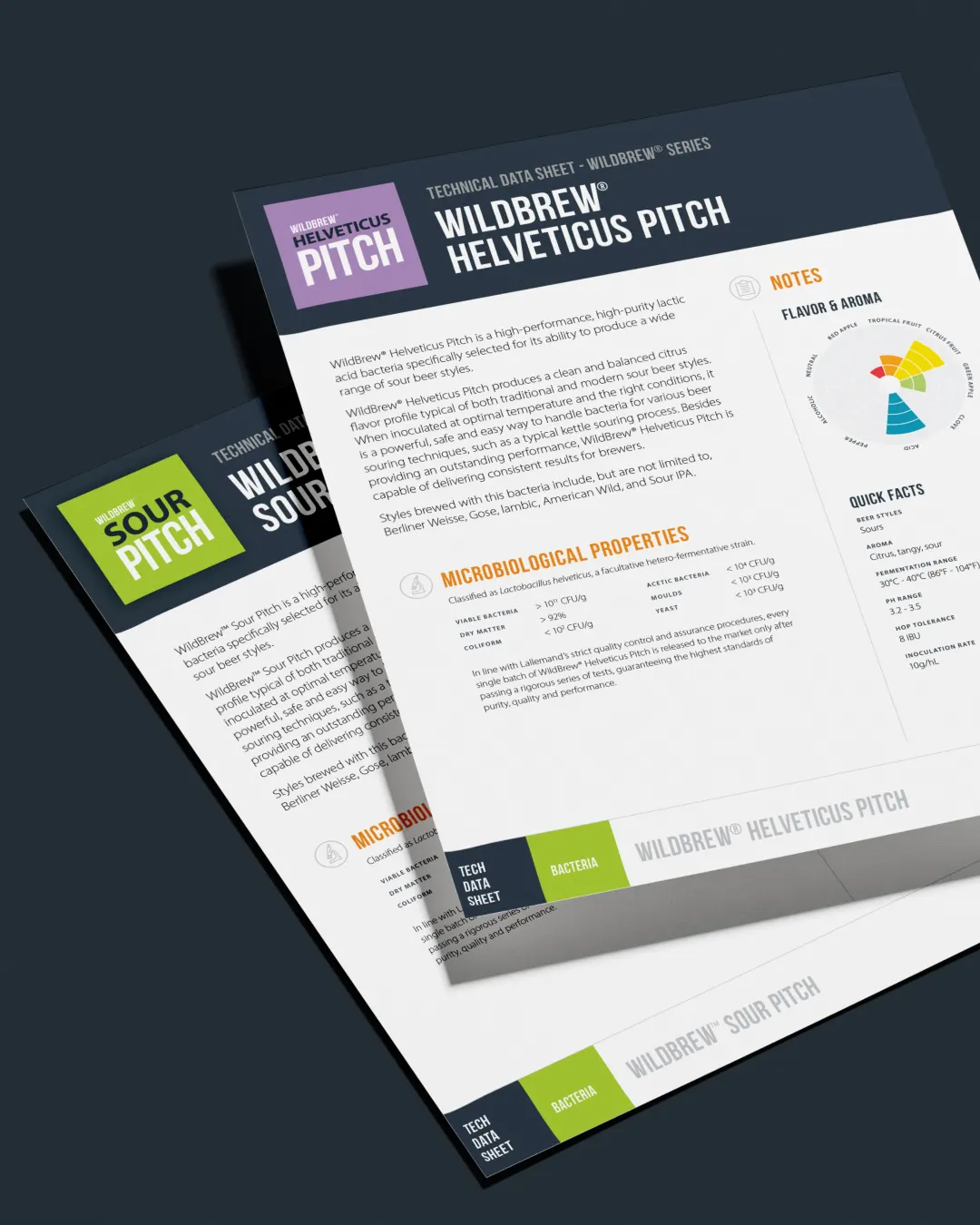
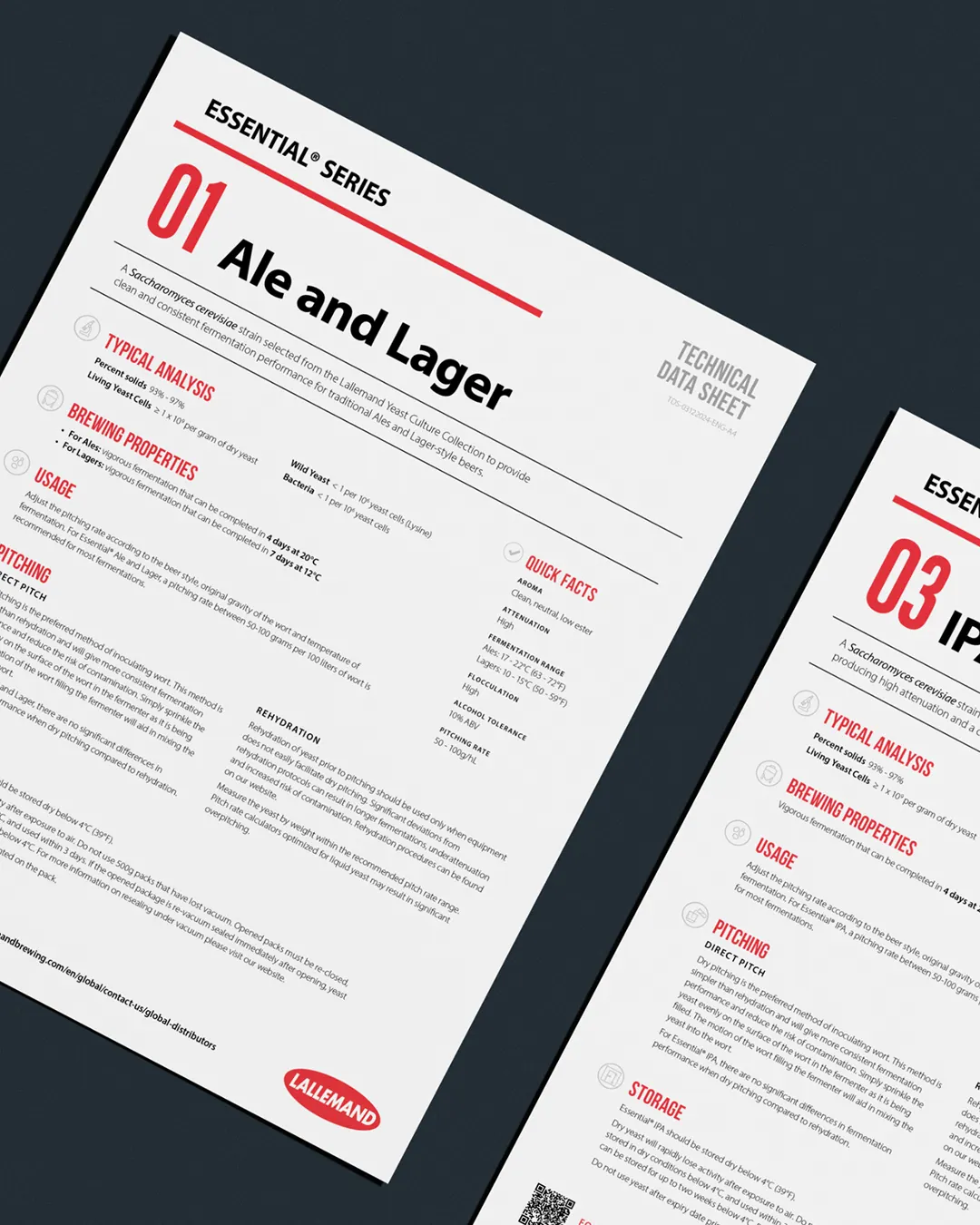
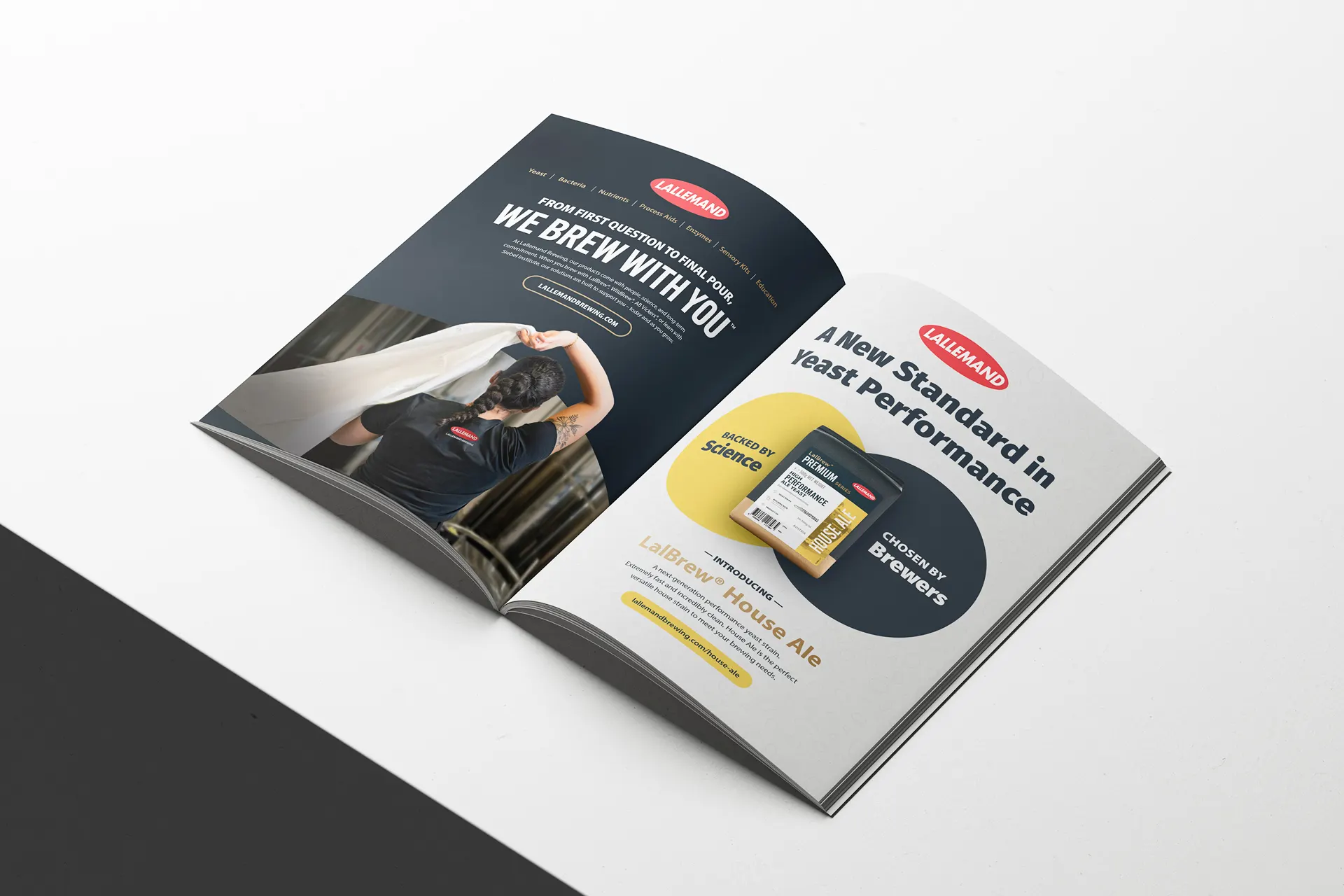
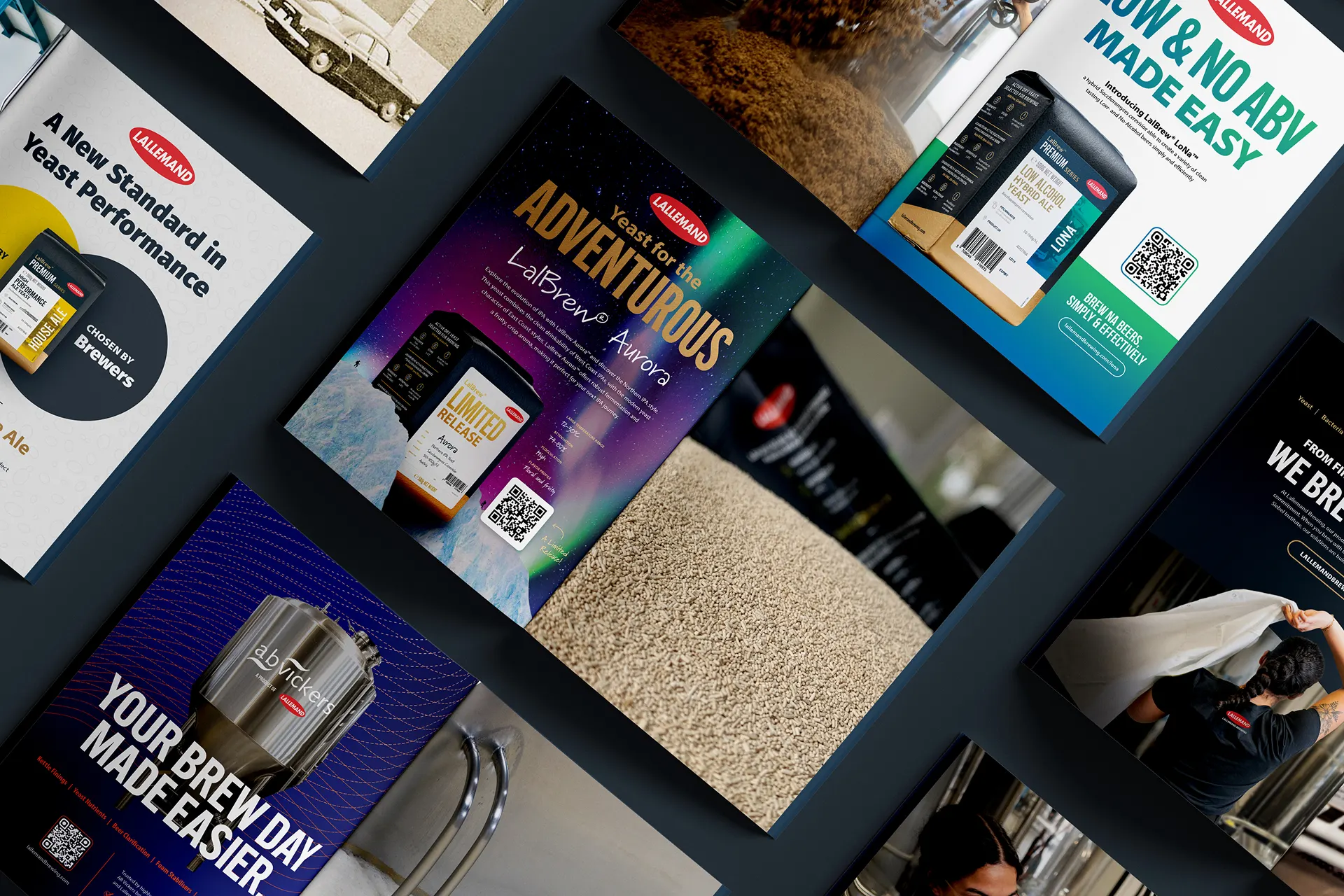
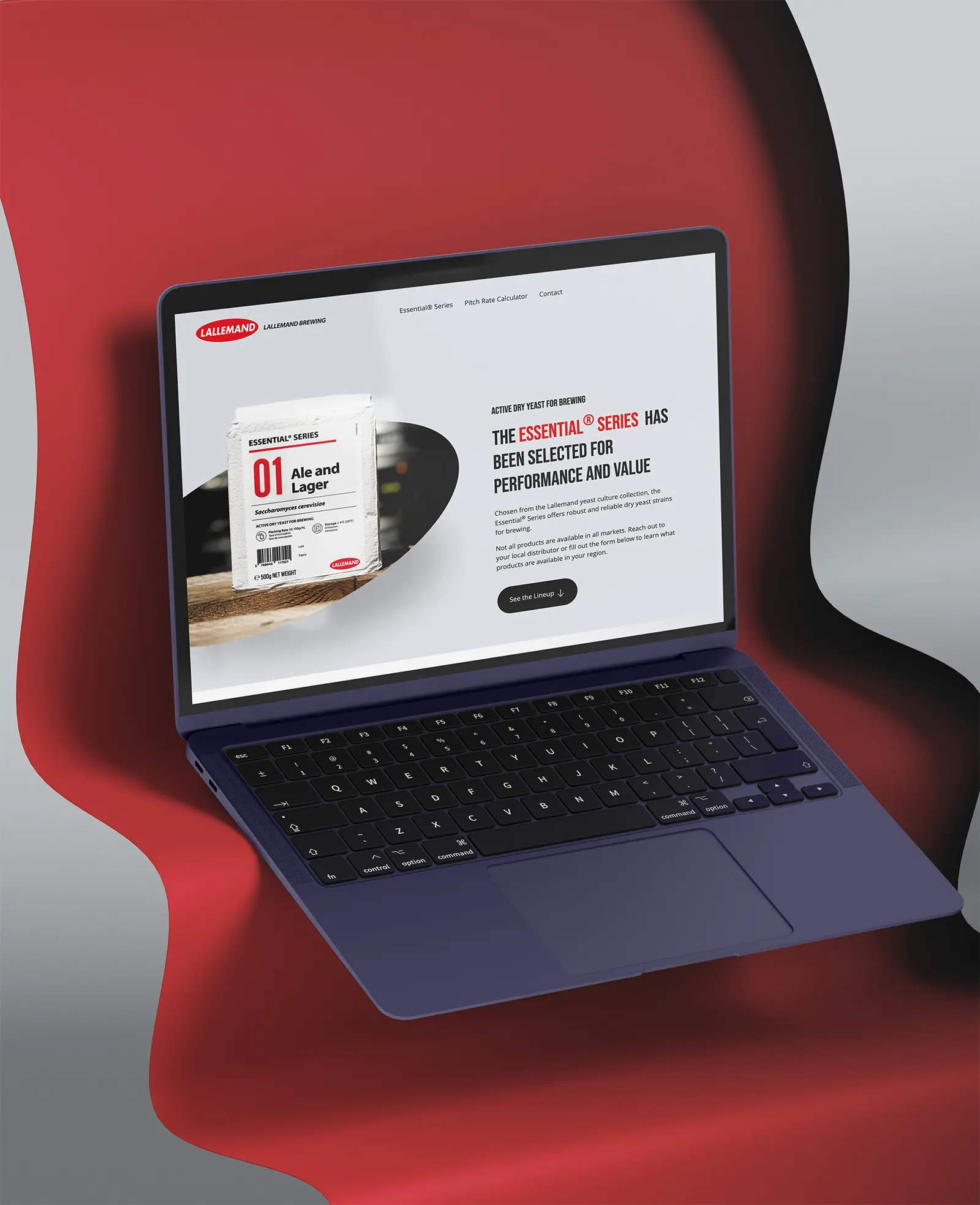
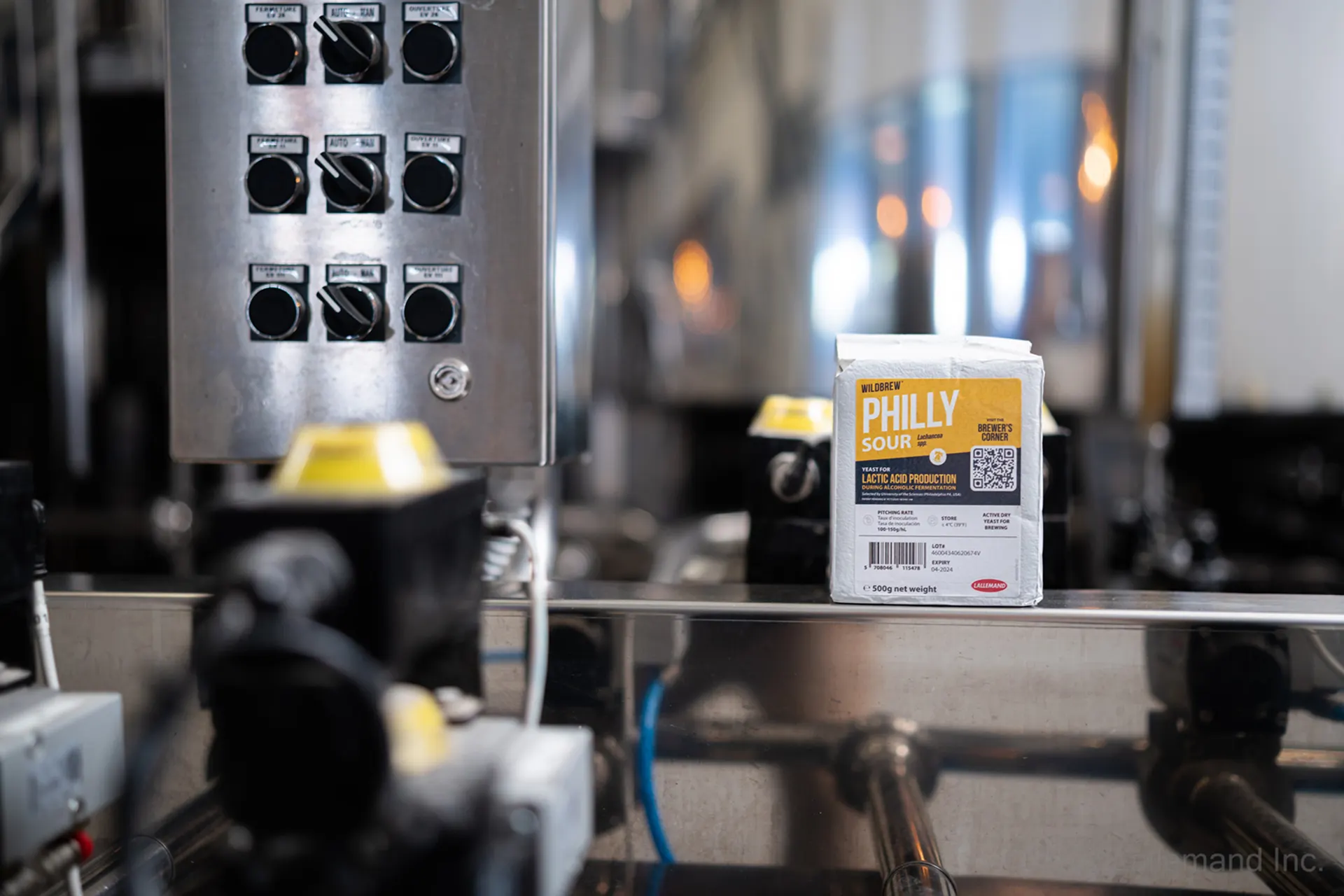
Around that sits everything a global product launch requires. Full campaigns for LoNa, Pomona, Philly Sour, YeastLife O, Aromazyme, and House Ale, spanning print, digital, social, and landing pages. Technical data sheets and distributor sales collateral. Trade show booth design for the Craft Brewers Conference and BrauBeviale. Brand architecture work across Siebel Institute, the World Brewing Academy, Malteurop, and Country Malt.
Strategy Before Execution
A lot of this work starts before there’s a brief. When a new product line comes up, we’re usually in the positioning conversation early rather than waiting for a spec to land.
That comes from time. Eight years in, we know the portfolio well enough to know where a new product fits, what a brewer actually reads on a package, and how far a sub-brand can lean on Lallemand before it loses its own footing.