Most creative trends come and go. New software arrives. New technologies emerge. Entire industries shift. Through all of it, one thing has remained surprisingly consistent: the best ideas still start with a pencil and paper.
Mike Rosado started the Pencil Pushers Podcast because he believed that. Several years and over 80 conversations later, that belief has only gotten stronger.
The Pencil Pushers Podcast was created as a celebration of the hand-drawn arts and the people who dedicate their lives to them. Illustrators, designers, muralists, sign painters, typographers, animators, and makers of every kind have joined the show to share their stories, processes, and perspectives on creativity. What began as a passion project has become something bigger: an ongoing exploration of craft, creative thinking, and what it means to make meaningful work in an increasingly automated world.
At a time when generated imagery can be created in seconds, the lessons from these conversations feel more relevant than ever.
Why Did the Pencil Pushers Start?
The origin of the Pencil Pushers Podcast was never about building an audience. It was about celebrating a community.
For years, Mike had been surrounded by talented creatives whose work was rooted in drawing, making, experimenting, and refining. Yet much of the broader conversation around design often focused on finished outcomes rather than the process that created them.
The Pencil Pushers Podcast was built to shine a light on that process.
The belief behind the show was simple. The hand-drawn arts still matter. Not because they are nostalgic. Not because they reject technology. Because drawing remains one of the most powerful tools for thinking.
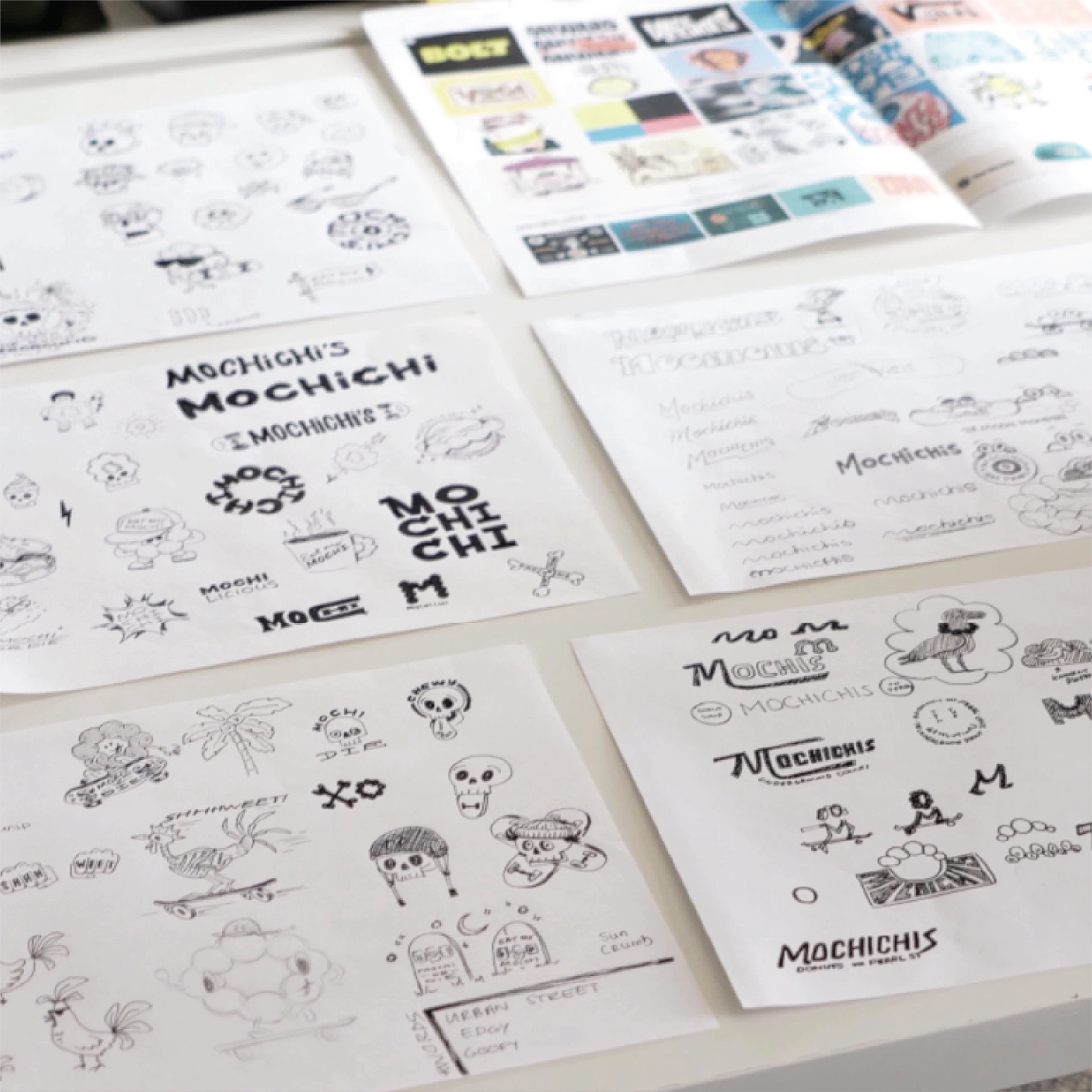
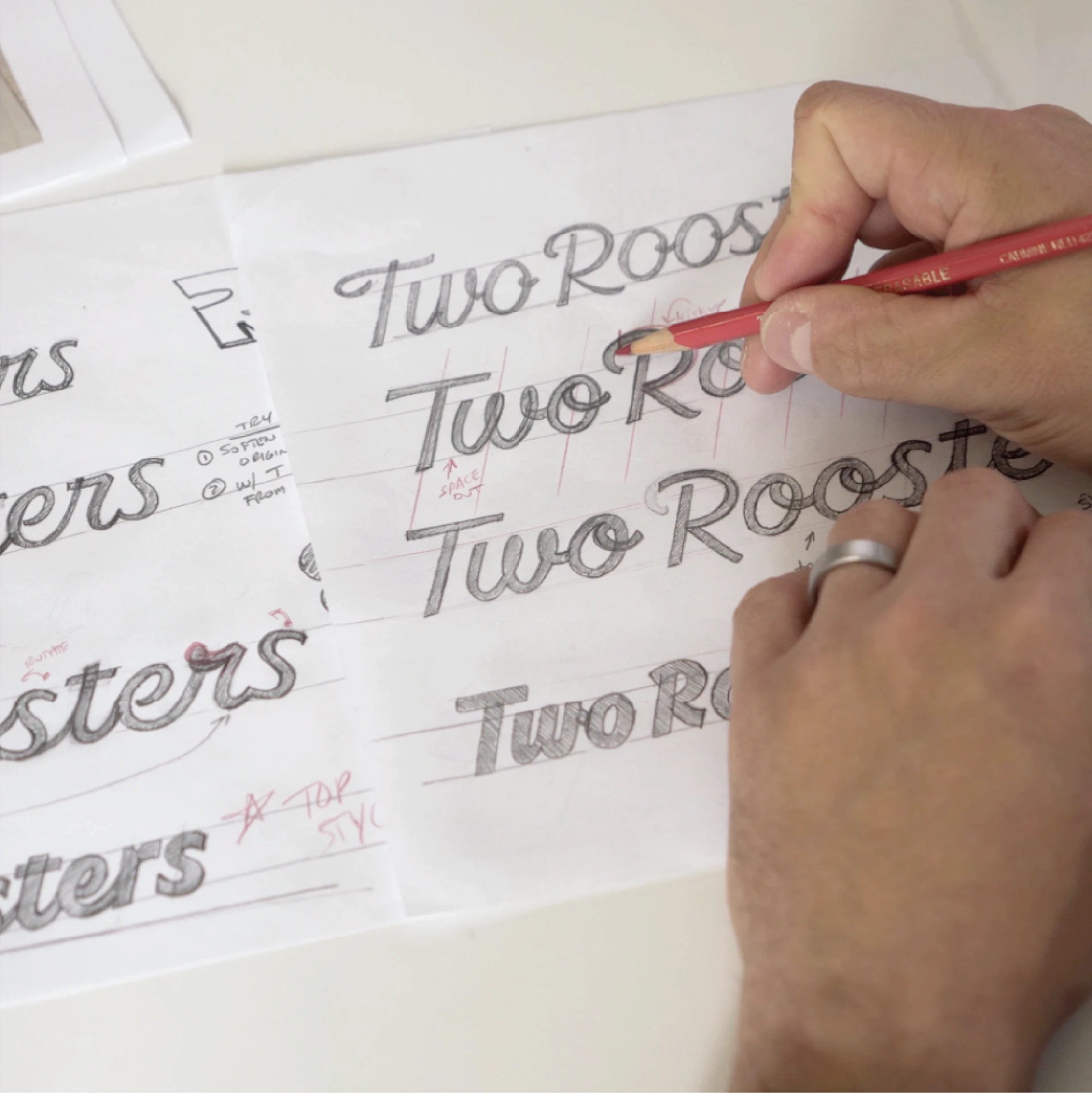
Long before a logo exists, before a website launches, before a mural goes up on a wall, there is usually a sketch. A rough idea. A thumbnail. A collection of marks that help transform a vague thought into something tangible.
That belief mirrors how we approach work at MRC. The studio has always valued exploration before execution, curiosity before certainty, and process before polish. The podcast simply became another expression of those values.
Over time, it has also become a way to celebrate an often-overlooked creative community. The illustrators, designers, artists, and makers who continue to prove that craftsmanship and creativity are not separate ideas. They are deeply connected.

What Have Guests Taught Us About the Creative Process?
One of the most interesting things about hosting an illustration podcast for years is seeing the same themes emerge from people working in completely different disciplines.
A muralist in one episode. A type designer in the next. An illustrator, animator, or creative director after that. The details change. The principles often do not.
Again and again, guests have talked about the importance of slowing down.
Working by hand creates a different relationship with ideas. Sketching introduces friction. It forces choices. It encourages experimentation. It creates opportunities for accidents that often lead to unexpected breakthroughs.
Many guests have described drawing as a way of thinking rather than simply a way of producing.
Another recurring lesson has been the value of constraints.
Some of the strongest creative work comes from limitations rather than unlimited options. A restricted color palette. A specific medium. A small sketchbook. A difficult brief. Constraints force prioritization, and prioritization often produces better ideas.
The best designers, illustrators, and makers featured on the Pencil Pushers Podcast also tend to share something else in common. They are relentlessly curious. They never stop learning. They never stop experimenting. They never assume they have figured everything out.
Those conversations have reinforced many of the principles we apply at MRC every day. Discovery matters. Exploration matters. Process matters. The strongest creative solutions are rarely the first ones. They are often the result of asking better questions and staying with the problem longer.
What Does Hand-Crafted Design Mean in the Age of AI?
The conversation around creativity has changed dramatically in recent years.
Artificial intelligence, automation, and generated imagery have created new possibilities and new questions for the creative industry. For us, the Pencil Pushers philosophy has never been about rejecting technology. It is about intentionality.
The question is not whether a piece of work was created digitally or by hand. The question is whether the tools being used are serving the idea.
Sometimes that means sketching on paper. Sometimes it means building digitally. Most often, it means using both. Hand-crafted design is not defined by the absence of technology. It is defined by the presence of human judgment.
Clients can feel the difference.
When people encounter work that feels thoughtful, specific, and authentic, they respond to it. They may not always know why. They may not be able to articulate the process behind it. But they recognize intention when they see it.
That is one reason hand-drawn design continues to resonate. It carries evidence of decision-making. It reflects a point of view. It reminds people that there is a human being behind the work.
At MRC, that philosophy shows up across everything we create. Whether we are building a brand identity system, developing custom illustrations, designing packaging, or creating environmental graphics, the goal is never to choose the fastest tool. The goal is to choose the right one.
The process may evolve. The commitment to craftsmanship remains the same.
What Is the Connection Between Craft and Brand Strategy?
At first glance, craftsmanship and brand strategy can feel like separate disciplines. In reality, they are remarkably similar.
Both require patience. Both require curiosity. Both require resisting easy answers.
The studios that care deeply about craft often care deeply about strategy for the same reason. Neither discipline rewards shortcuts.
A strong brand identity is not created by selecting a color palette and designing a logo. It emerges from understanding a business, its audience, its positioning, its personality, and its purpose.
The same mindset that drives an illustrator to fill pages of sketches before settling on a final direction often drives a strategist to ask deeper questions before recommending a solution.
Both are acts of discovery.
That connection has become one of the most meaningful lessons of the Pencil Pushers Podcast.
The conversations continually reinforce something we believe strongly at MRC. The best creative work comes from people who are willing to stay in the process longer than everyone else. People who are willing to sketch another page, ask another question, challenge another assumption, and explore another possibility before committing to an answer.
That is the Pencil Pushers way. It is also the MRC way.
Find the Pencil Pushers Podcast wherever you listen.