The heart of the matter
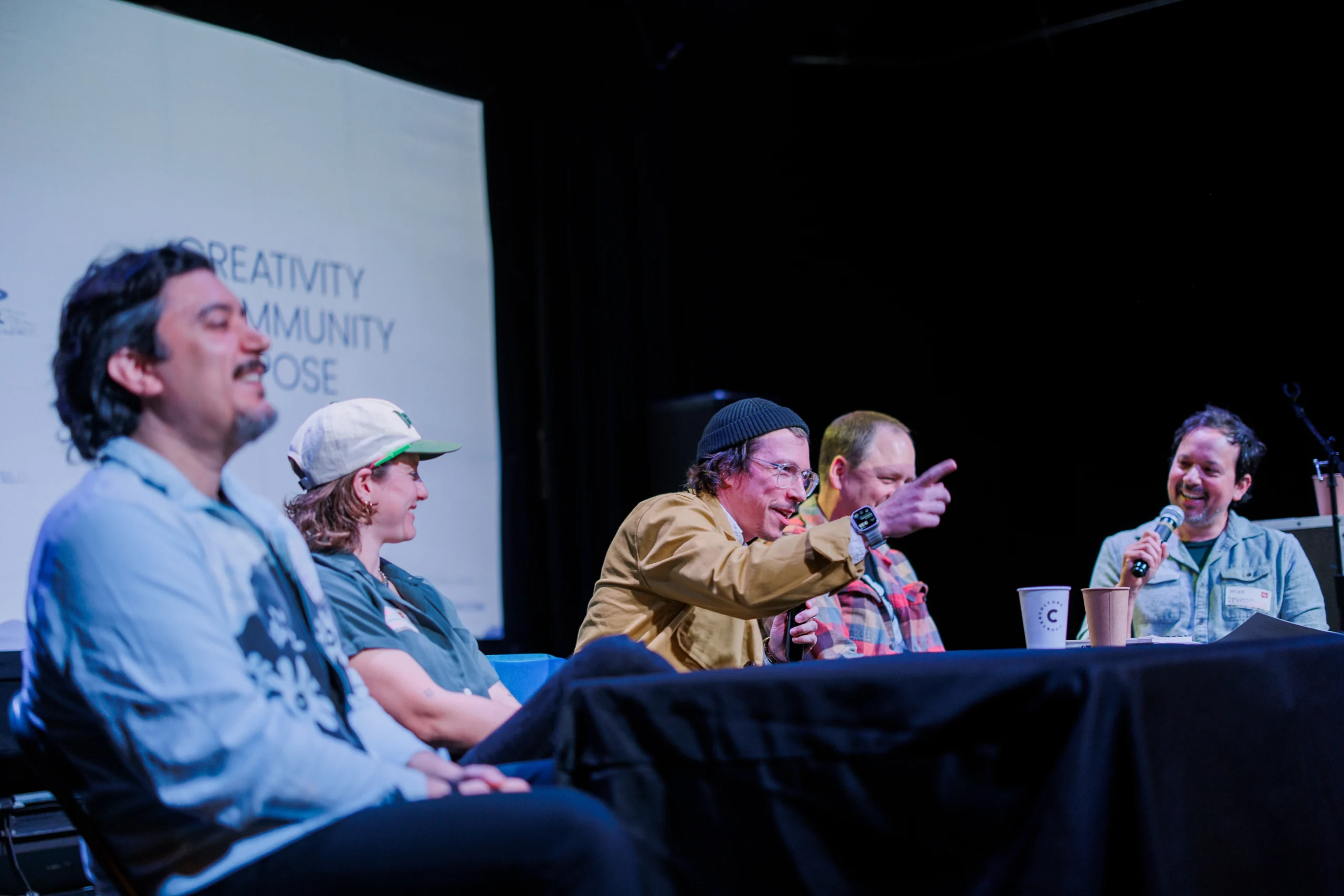
On November 13, 2026, in Downtown Durham, a meeting of the minds came together after several months of planning. I curated a discussion for CreativeMornings that talked about the big elephant in the room for the creative world – AI. In the past 18 months, every single designer, illustrator, animator, comic artist, writer and more have said those two letters together enough times to make Adobe jealous. I anticipated this panel discussion to be a wonderful blend of opinions, on stage and in audience, as we collectively have been weighing the benefits against the drawbacks for some time now.
As a lover of community building and the value of talking things out productively, I knew it was important to make sure that all opinions were welcome, as that’s the only way for humanity to work its way through this transformational behemoth. But, as a designer, agency owner and host of The Pencil Pushers (a podcast focused on the hand-drawn arts), I certainly have my share of opinions on the matter, and my opinions come from a space that go beyond any kind of predictable “don’t take my job” stance. It comes from the heart of the matter – what makes us human, what makes us the best version of ourselves, and why the role of creativity goes beyond just making pretty pictures.
Since my duty as moderator was to be a facilitator of discussion, I knew that the majority of what I’d be doing was helping other voices be heard. That said, I wanted to make sure that I was able to open the discussion with a framework for the kinds of questions I felt needed to be asked, in order for us to make smart choices for the future. Below is the opening statement I made, for those that may find some value in it. My hope in sharing is that it will perhaps be a springboard for other discussions, or at least provide one person’s opinion that has some skin in the game: being human, just like you.
My opening statement
———————————————-
Hello everybody!
I’m so happy to be here with you today.
My name is Mike Rosado.
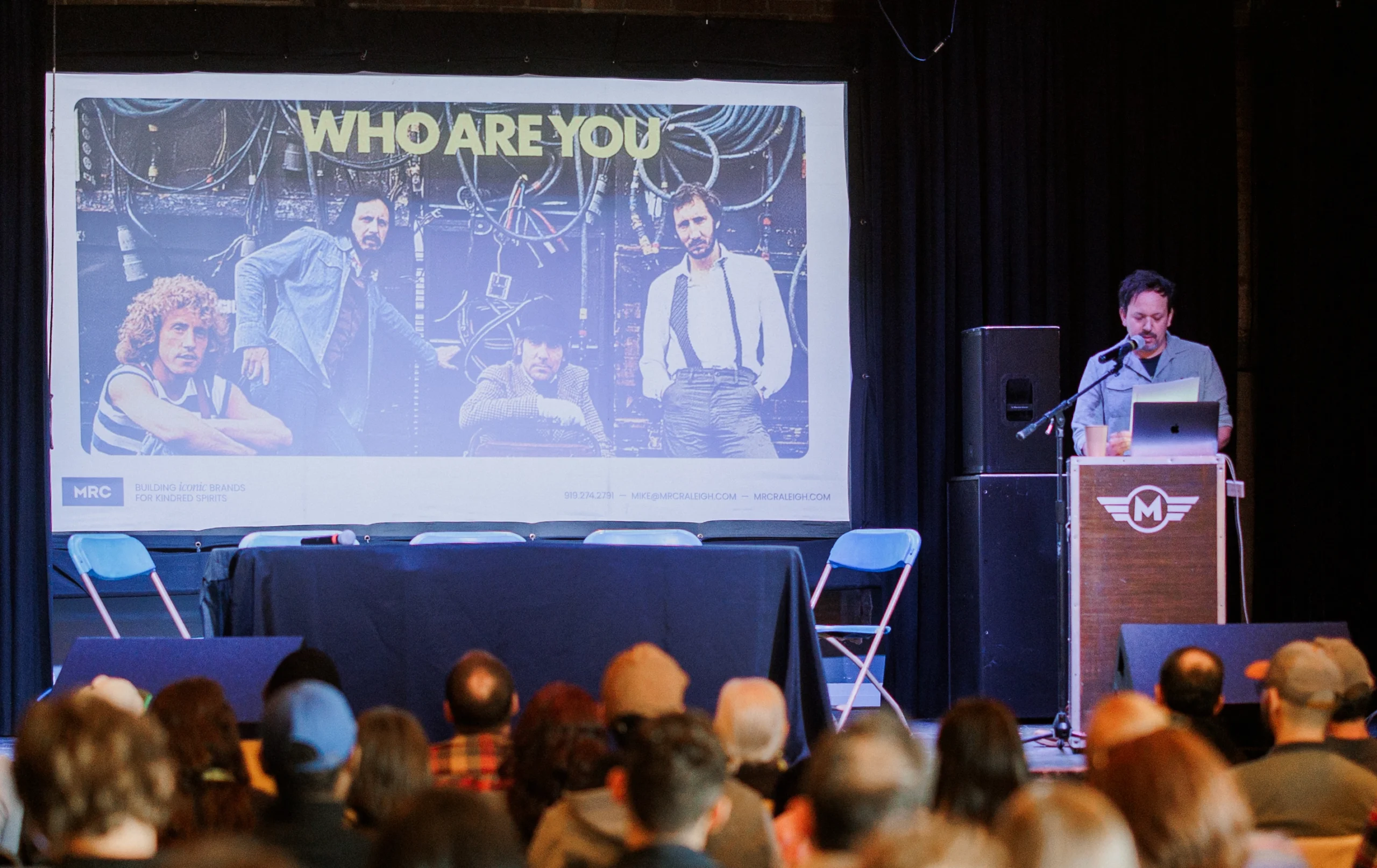
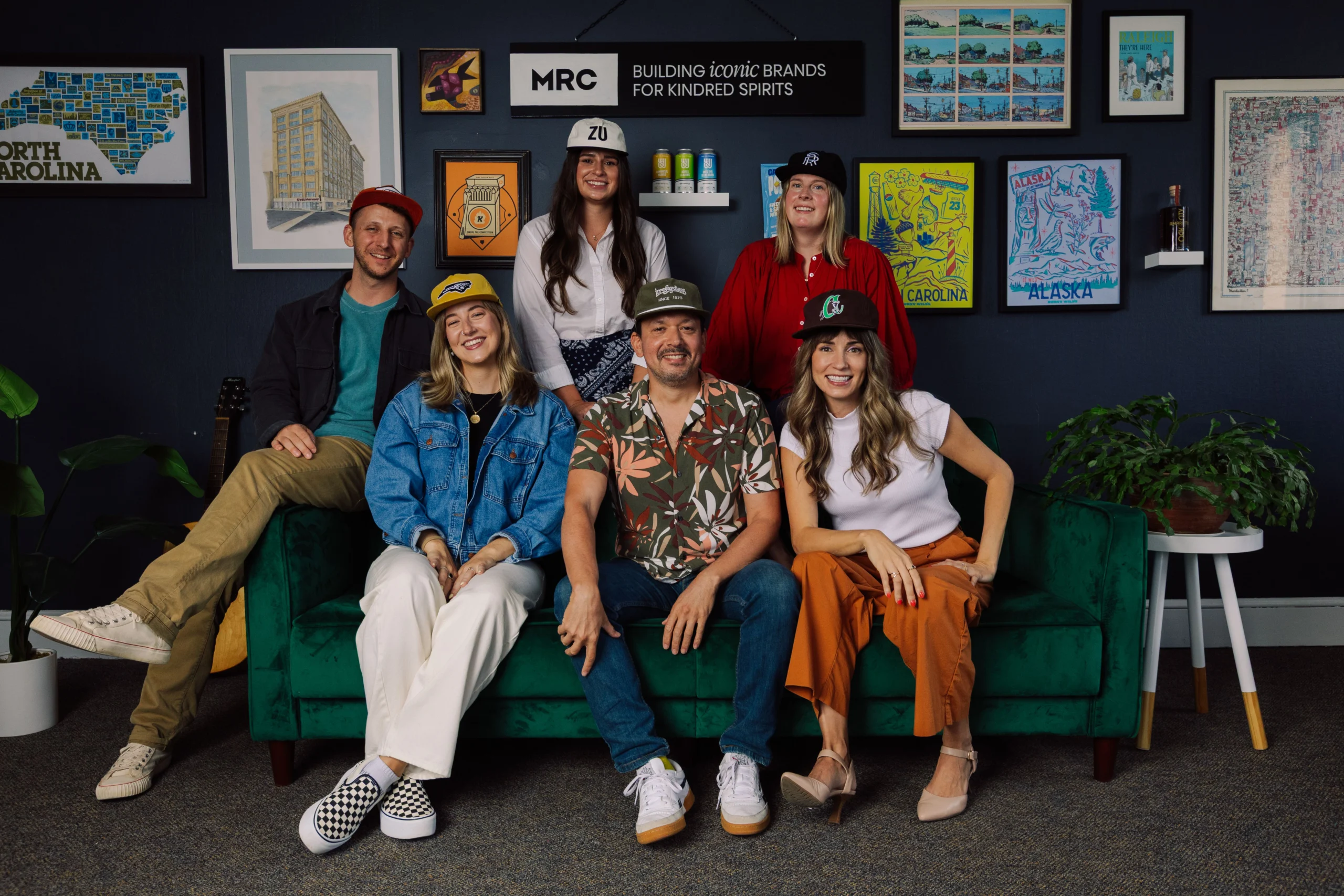
I’m an illustrator, designer, founder of MRC, a brand design studio in downtown Raleigh, and host of The Pencil Pushers, a podcast dedicated to the hand-drawn arts. I don’t want to take up a lot of time at the podium, as there’s lots to discuss. And since I have a tendency to be a bit verbose, I’m going to stay on script for this part of the talk.
What are our core values?
First, I’d like to take a moment to set the stage and give some of my own personal perspectives on the moment we’re in right now before we move swiftly into the open discussion with the panel as well as with all of you. We want this to be a time for us to collectively open up about such an important topic.
The role of human creativity in society, and why it’s so important, is something that many of you have probably thought about over the years. And, given my livelihood and my absolute love of art and creativity, you can imagine I, too, have spent a considerable amount of time thinking about this. The age of AI, undoubtedly, has increased this question. Today’s conversation will not be a period at the end of this sentence, but I hope it will be a part of more open and honest conversations about the real questions we all need to ask: “Who are we, and what are the core values we are to live by in order to have a healthy, thriving society?”
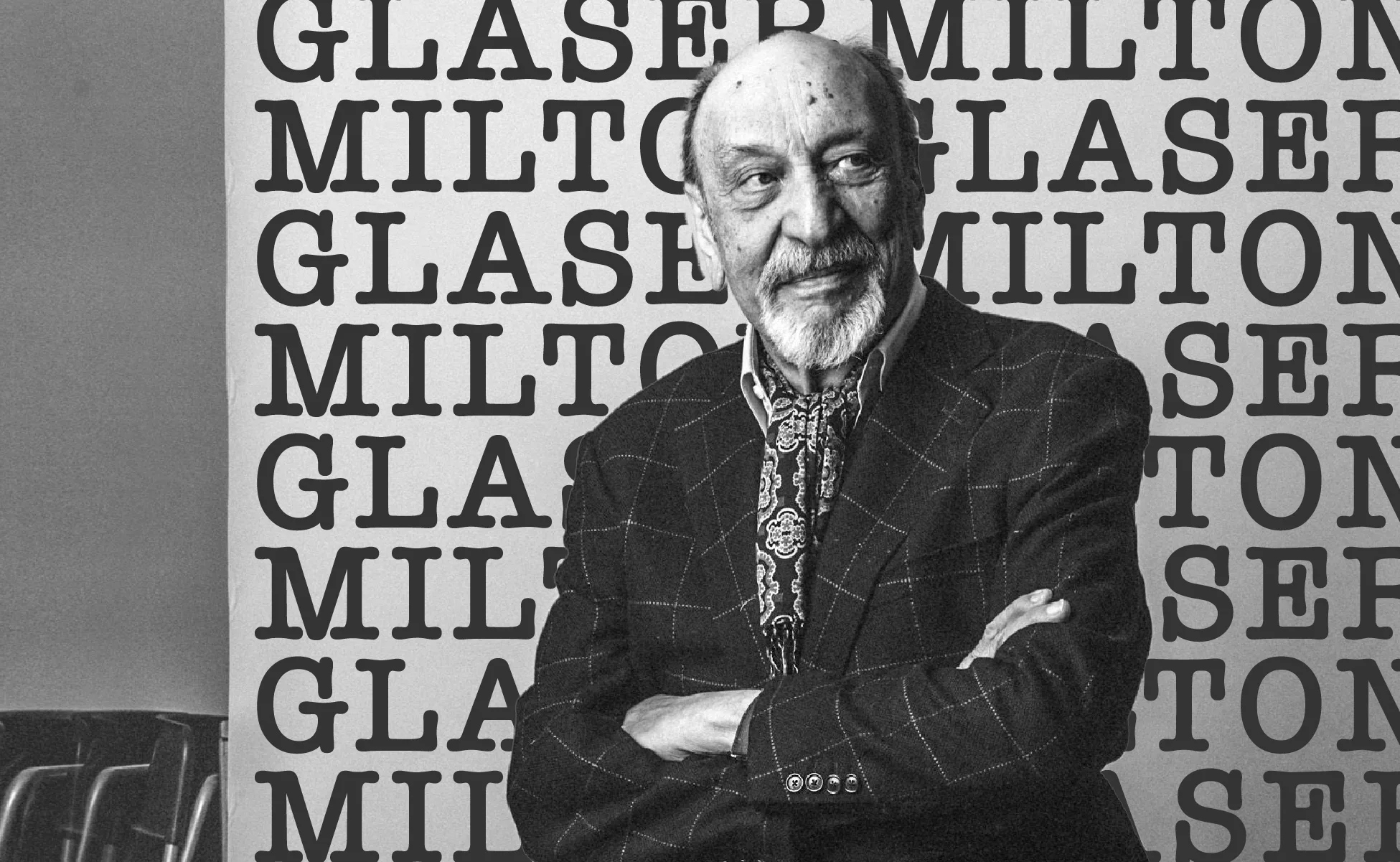
I call this talk “Drawing Is Thinking” because there is so much there in that one statement. At first glance, “Drawing Is Thinking,” first made famous by iconic designer Milton Glaser, is a statement about the artist connecting carefully with their subject and the process of creating said subject.
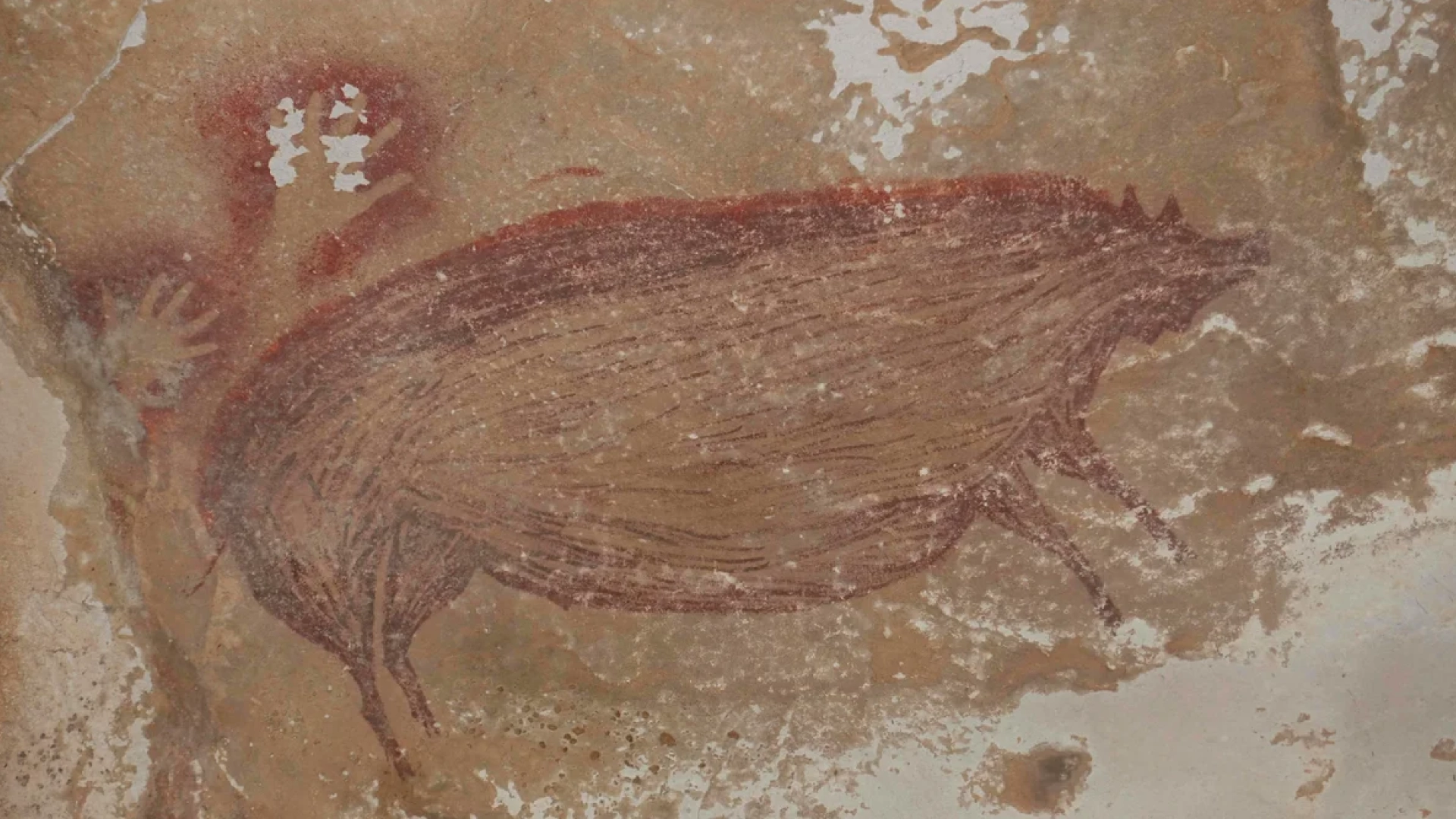
But, really, it is so much deeper than that. If we grab that hot tub time machine and go back in time, way, way back to the beginning of humanity, you realize that drawing has been with us since the dawn of humankind, as one of the first forms of communication, documentation, and articulation. Some might say our first language. It’s primal. It’s a part of who we are, how we absorb and relay information.
Fundamental to engagement
Milton, in a separate interview from mine, describes its lasting effect tens of thousands of years later: “For me,” Milton explains, “drawing has always been the most fundamental way of engaging the world. I’m convinced that it is only through drawing that I actually look at things carefully. And the act of drawing makes me conscious of what I’m looking at. If I wasn’t drawing, I sense that I would not be seeing.”
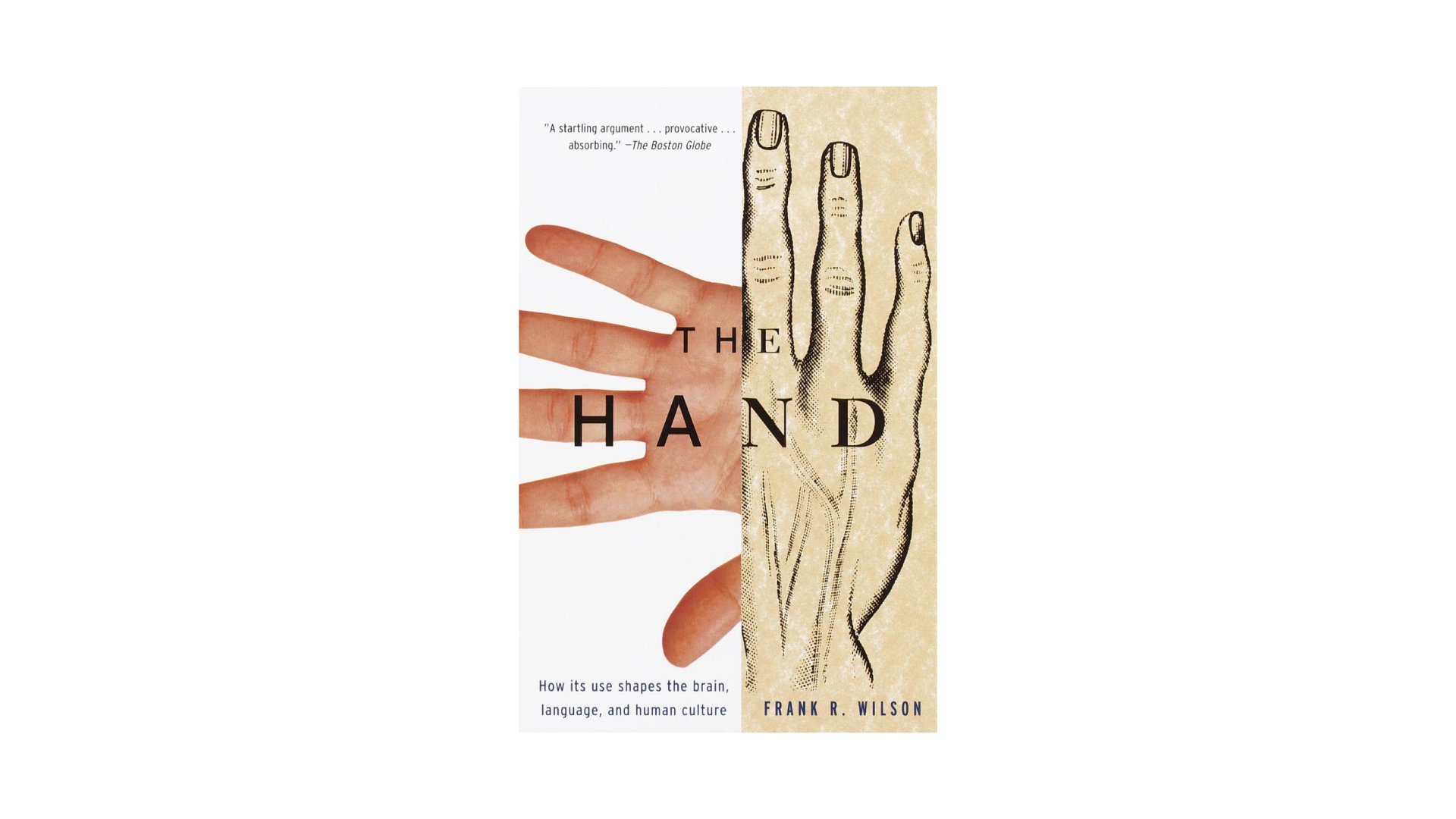
Milton goes on to talk about a book called The Hand by neurologist Frank Wilson, which is an exploration of the human hand as a remarkable feat of evolution and a vital component of our intelligence and creativity. Wilson argues that the hand’s intricate relationship with the brain has not only shaped our capabilities but also influenced the trajectory of human history.
The critical connection
We really see how powerful a tool the hand is when we discover what happens to children when they are not permitted to draw. Their brain development suffers, as drawing trains the brain to translate abstract mental thoughts into physical, symbolic markings on a page. Without this stimulation, a child’s ability to naturally organize, integrate, and process spatial structures can be stifled. Needless to say, this connection between the hand and the brain is absolutely critical. But where we really push things into high gear is when we bring in the heart. This is the part where things from the known and the unknown become one, where the intellectual and the emotional bring something unique, yet familiar.
There is something magical, mysterious, and yet wholly real and practical in using our hands to make beautiful things carefully and methodically.
Faster at what cost?
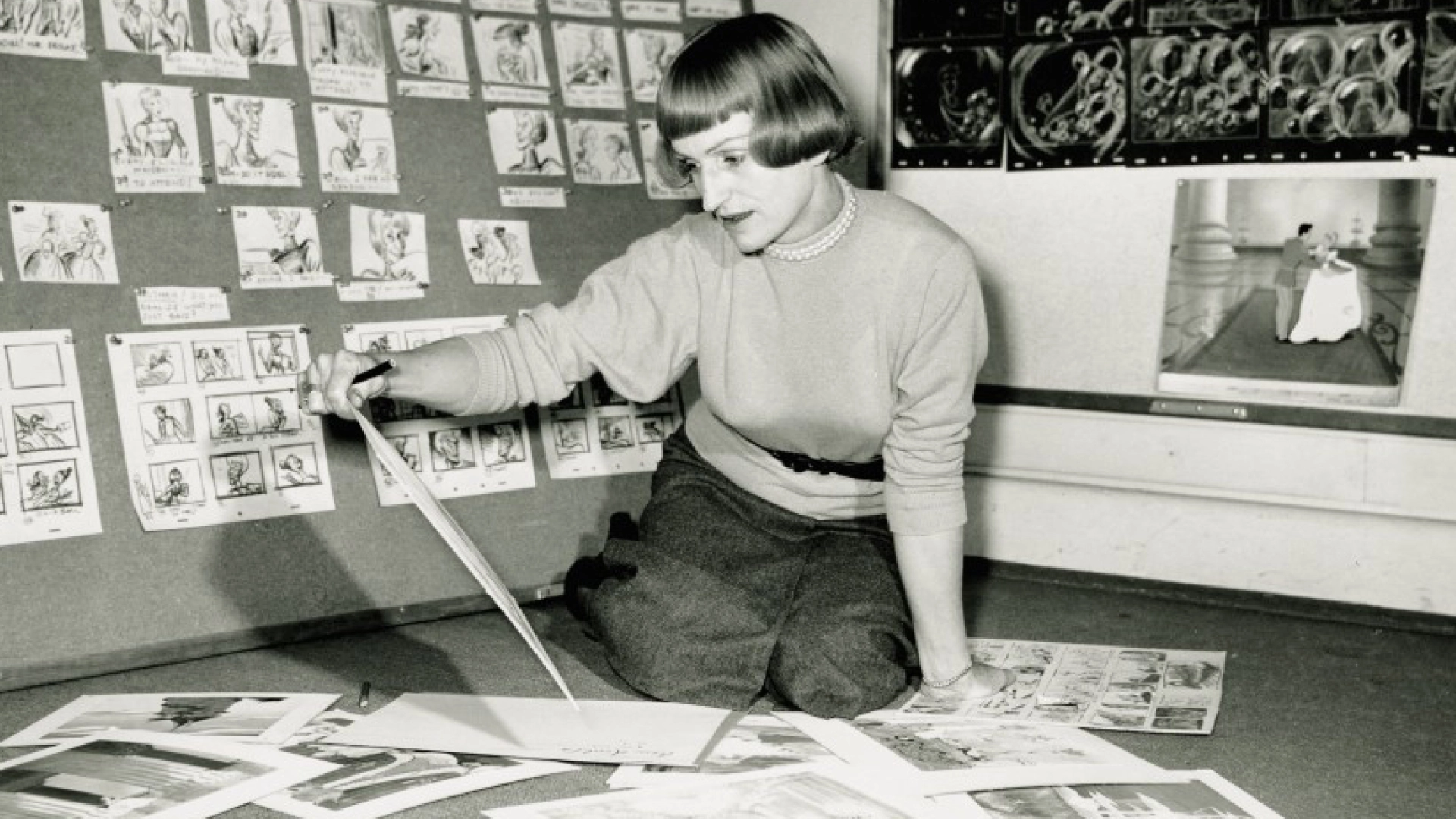
And despite this incredible power of doing things carefully and methodically, over the past one hundred years, and certainly more so in the past couple of decades, the need for speed has become the dominant value of our economically driven lifestyle. It’s been imbibed in our culture from the moment we wake up until we turn out the lights. Faster. Ever faster. At all costs, faster and now, with the added bonus: cheaper.
Today, we live in a world of hyper-speed, quickly eroding some of the most vital parts of what it means to have a healthy and meaningful life. AI has brought us an era of speed unlike anything we’ve ever experienced before, and with it, among other things, we now face the possible extinction of millions of jobs, possibly in the next ten years. It appears art, craft, and design could be some of its biggest casualties if we’re not careful treading along the edges of that slippery slope.
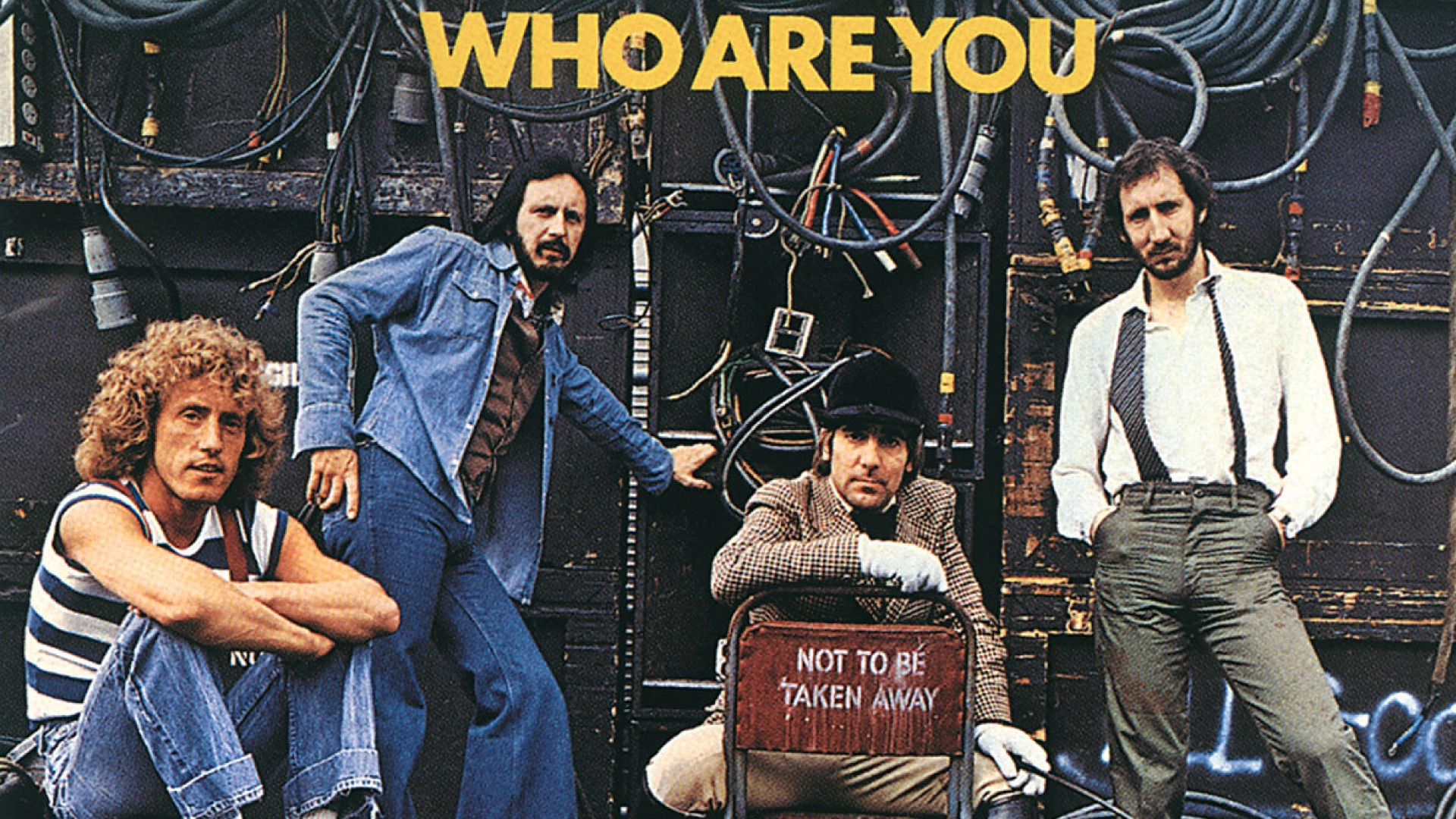
What I hope discussions like this will evoke is an instinct to ask, “Who are we, and what do we want out of this life?”
What is at stake?
Before I bring out the panelists, the last thing I’d like to say is that I’m not here to pitch “Don’t let them take our jobs.” That’s not a winning argument, and it’s not the right one. AI is not going away. The genie is out of the bottle. But what we do have is a choice. A choice to work with that talented writer or designer or artist or maker. They have families, they have dreams, and most importantly, they have value. When I think about the things that a person needs, there are some basics: food, shelter, safety, and sleep. But spiritually, we must not forget that all of us also need these three core elements that are potentially at risk in this moment: creativity, community, and purpose. Let’s not forget that the musicians, the designers, the writers, the painters, and the creatives are the ones who help make this human experience a pretty magical one, and right now, they are all wondering if these gifts they bring will ultimately be invisibilized by 1s and 0s.
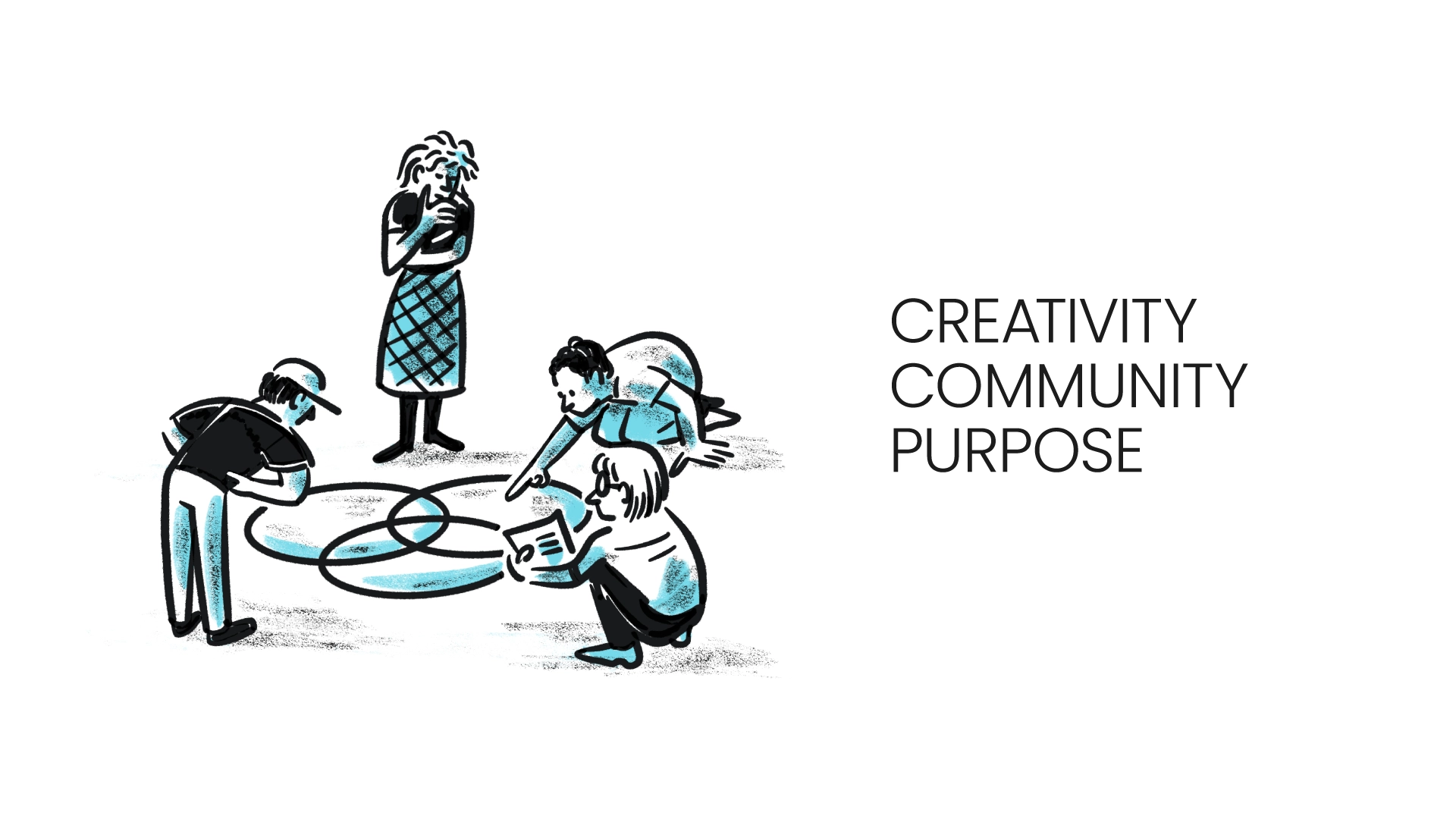
To commit ourselves to these spiritual needs is to commit ourselves to what I would call the very basics of a social contract, because we need each other, perhaps now more than ever.
And with this, I’d like to invite my panelists to the stage.